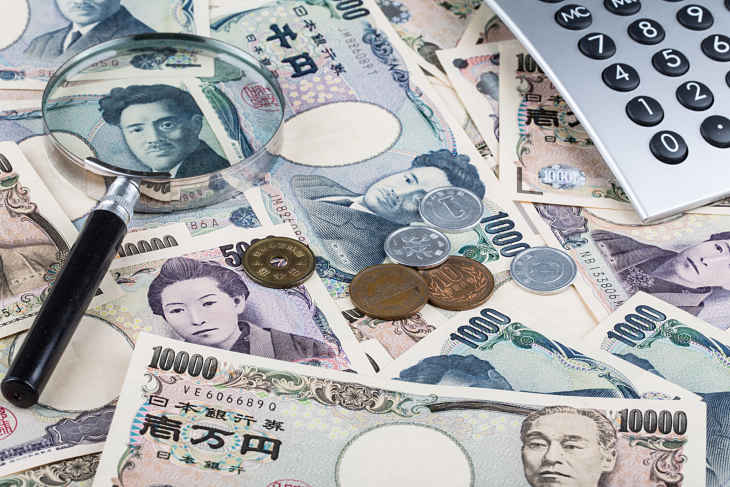
The CurrencyShares Japanese Yen Trust (NYSEArca: FXY) is up 3.6% to start 2017, making it one of this year’s best-performing currency exchange traded funds. Some technical analysts believe more upside is coming for the Japanese currency.
A depreciating yen is supporting Japanese markets as a weaker currency bolsters the country’s large export industry. Japan currency-hedged exchange traded funds are rebounding as rising speculation of a Federal Reserve interest rate hike later this month fueled a strengthening U.S. dollar and depressed the yen currency.
Last year, the Bank of Japan extended its stimulus measures, supporting Japanese equities and country-specific exchange traded funds. As part of its expanded stimulus plan, The BOJ decided to increase ETF purchases so its total holdings rose at an annual pace of ¥6 trillion, or $58 billion, up from the current ¥3.3 trillion, Reuters reports.
“The main determinates of how high wave [c]travels probably will be the timing of the 11-month cycle and the extent to which the U.S. Dollar remains in its own corrective pattern. If the Dollar Index stays near its present value between now and mid-summer, that should lend a positive bias to Yen trades during the same time,” according to See It Market.
From early November through the end of last year, there was plenty of ebullience surrounding the U.S. dollar and the PowerShares DB U.S. Dollar Index Bullish Fund (NYSEArca: UUP), but that bloom has quickly come off the dollar’s rose as UUP is trading lower this year.
Some currency market observers believe the greenback faces more near-term downside. UUP tracks the price movement of the U.S. dollar against a basket of currencies, including the euro, Japanese yen, British pound, Canadian dollar, Swedish krona and Swiss franc. While many of those currencies were expected to weaken against the U.S. dollar this year, some currency market strategists believe some of the major currencies are oversold against the greenback.
“Returning to the Yen, the expected rally probably will consist of five sub-waves. The first of those may already have begun, so traders might watch for opportunity if the Yen retraces to make a higher low,” notes See It Market.
For more information on the Japanese market, visit our Japan category.