Among the many campaign pledges delivered by President-elect Donald Trump is an effort to lower corporate taxes.
Some market observers see that action, should it become reality, as a potential tailwind for the financial services sector.
The Financial Select Sector SPDR (NYSEArca: XLF), Vanguard Financials ETF(NYSEArca: VFH) and competing financial services exchange traded funds have been among the best-performing sector ETFs following the presidential election earlier this month. Financial services is the second-largest sector allocation in the S&P 500 behind technology.
While healthcare stocks and exchange traded funds got most of the attention as vulnerable to a Clinton presidency, financial stocks and ETFs such as XLF were also highlighted as areas of concern on speculation Clinton would increase regulation of the financial services sector. In addition to corporate tax reductions, Trump is looking to ease the regulatory burdens faced by many of the big name companies in ETFs like XLF.
Trump has said he would “dismantle” financial reform, or the Dodd-Frank financial reforms, that have caused big banks to take on increased capital requirements to obviate another depression event associated with high-risk debt.
Part of the potential benefit for financial services stems from the possibility of easing taxes on repatriated cash.
“We estimate ~20% of the profits from the traditional managers and ~30% from the alternative asset managers are derived from businesses outside of the US, so the decline in the corporate tax rate would be very helpful for the traditionals – with many paying corporate tax rates north of 30%, and having large US businesses,” according to a Credit Suisse note posted by Teresa Rivas of Barron’s.
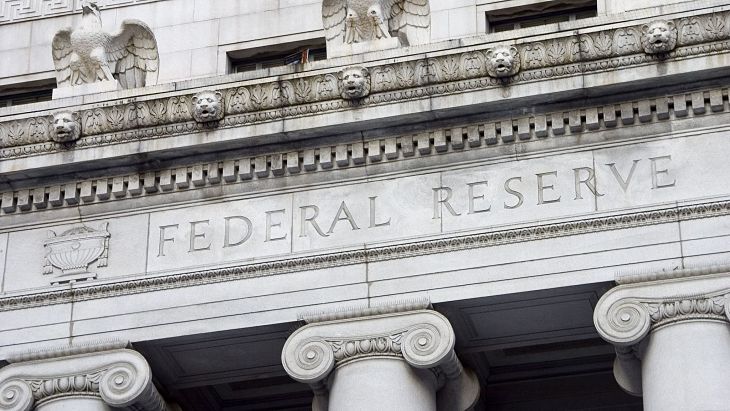
Speculation about tax benefits for banks comes as the Federal Reserve nears a December interest rate hike, widely cited as the primary catalyst behind the financial services sector’s recent upside.
Financial entities like banks will benefit from expanding margins as rates climb. A rising rate environment may reflect a strengthening U.S. economy, and a healthier economy would help borrowers have an easier time repaying loans, with banks stuck with fewer non-performing assets. Moreover, rising rates means that banks will generate greater revenue from the spread between what they pay deposit savers and the prime rates they charge credit-worthy clients and other highly-rated debt.
For more information on the banking sector, visit our financial category.