Rather than trying to identify outperforming mutual fund managers with a “hot hand,” investors may be better off just buying exchange traded funds that follow an index.
ETFs are becoming a worthwhile alternative to some of the most prominent mutual funds currently available, according to some observers.
Vanguard Health Care Fund is well managed, has outperformed relevant indexes and has a reasonably priced expense ratio, says Larry Meyers at Seeking Alpha. The fund has an expense ratio of 0.35%, and the fund plunged as low as 47% during the financial crisis but has since gained 70%. [Investors Miffed with Underperforming Funds Migrate to ETFs.]
In comparison, the ETF PowerShares Dynamic Heathcare (NYSEArca: PTH) fell 49% during the downturn but has since increased 108%. While the fund has an expense ratio of 0.65%, the difference in performance between the ETF and the mutual fund more than makes up for the expenses, Meyers writes.
T. Rowe Price Capital Appreciation, a 5-star Morningstar-rated fund with a 10-year annualized return of 8.31%, raked up total returns of 122% over 10 years and is the leader in its category. The mutual fund bottomed out with a 49% loss and has climbed 84% since the downturn, according to Meyers. The fund has a 0.70% expense ratio.
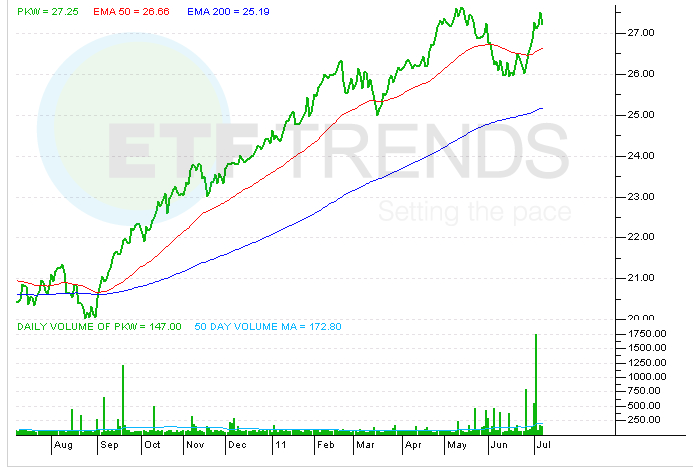
On the other hand, the comparable PowerShares Buyback Achievers (NYSEArca: PKW) plummeted 54% before gaining back 123%. PKW has an expense ratio of 0.70%. While the T. Rowe Price fund is a mix of stocks and bonds, Meyers remarked that an investor only saved five percentage points on the downside for the added safety but the mutual fund did not capture the upside.
For more information on the mutual fund industry, visit our mutual funds category.
PowerShares Buyback Achievers
Max Chen contributed to this article.